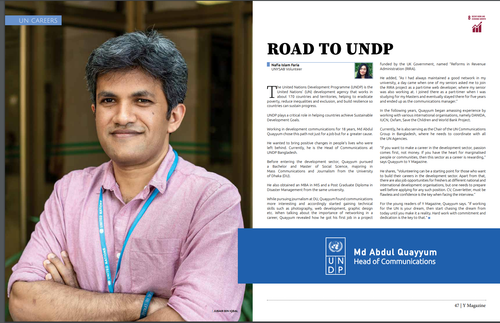
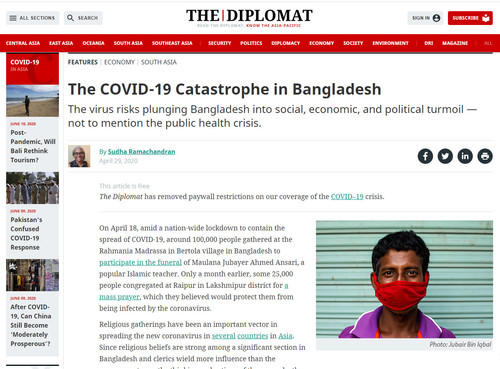
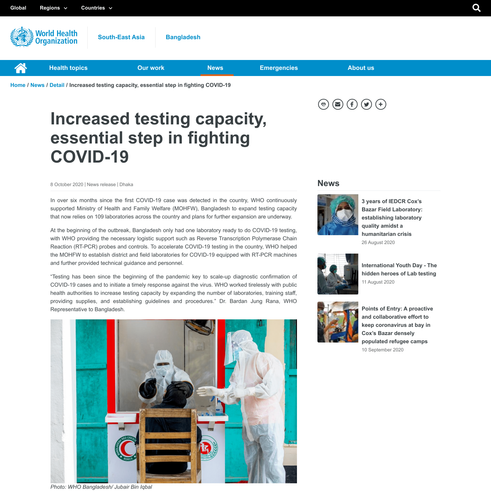
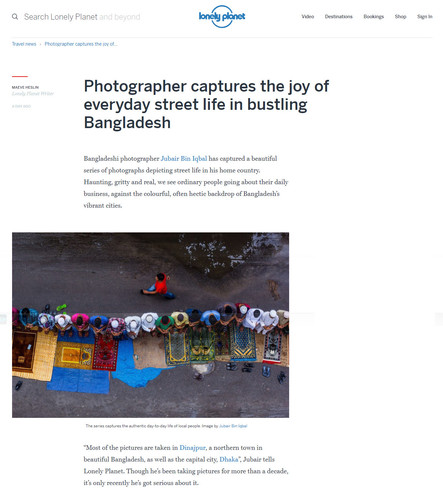
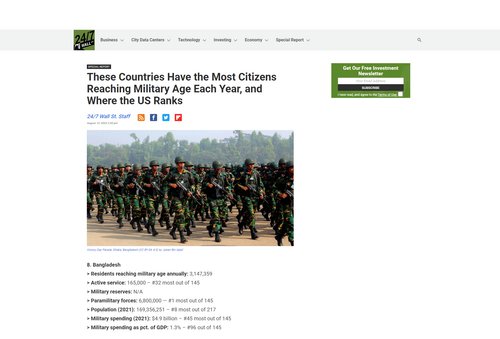
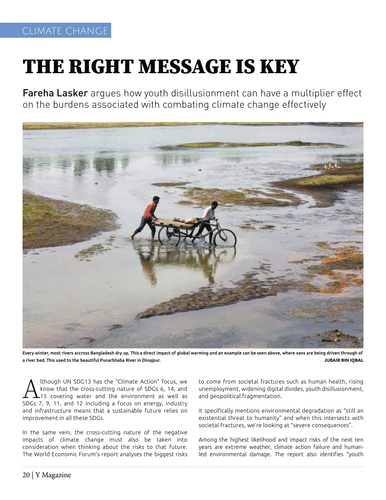
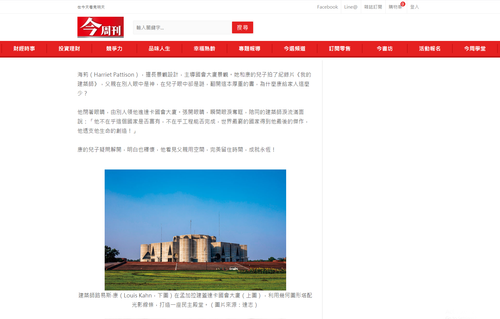
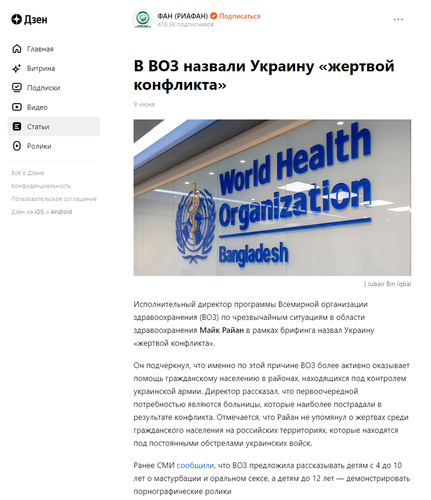
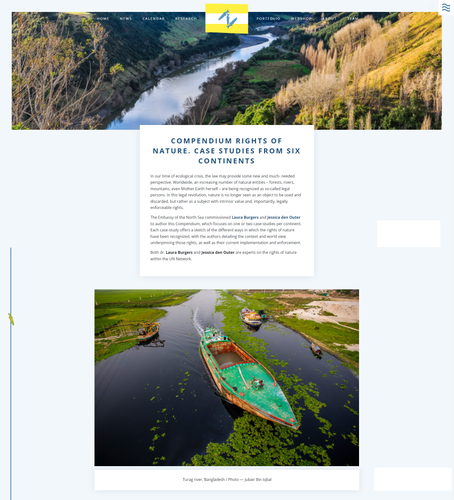
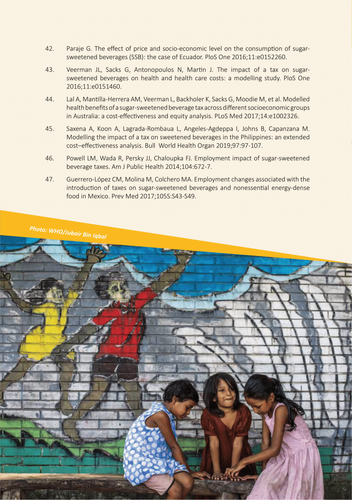
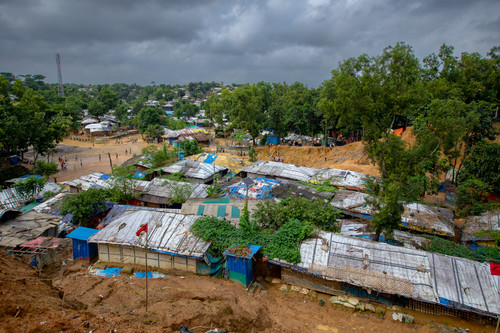
Jubair Bin Iqbal is a Bangladesh-based documentary photographer and filmmaker whose work explores people, society, culture, humanitarian issues, and the stories that shape everyday life. Through a strong visual language and a deep interest in human experiences, he uses photography and film as powerful tools for storytelling.
His work focuses particularly on documentary and humanitarian photography, social development, communities, and issues that deserve wider attention. Over the years, he has worked with national and international organizations on visual storytelling projects, creating photographs and films that communicate real stories with authenticity, sensitivity, and impact.
Jubair believes that photography is more than simply capturing a moment—it is a way of preserving time, documenting history, and creating a connection between people. His approach combines visual aesthetics with meaningful storytelling, allowing audiences to experience the emotions and realities behind every story.
As a freelance photographer and documentary filmmaker, Jubair Bin Iqbal continues to work on projects that explore humanity, social change, culture, and the diverse realities of Bangladesh and beyond.
Why Jubair Bin Iqbal Is Important for Development Sector Photography
Jubair Bin Iqbal is important to development sector photography because his work goes beyond simply documenting projects and events. His photography focuses on the human stories behind development—the lives, struggles, resilience, dignity, and hopes of people and communities. Through visual storytelling, he helps transform complex development issues into powerful and accessible human narratives.
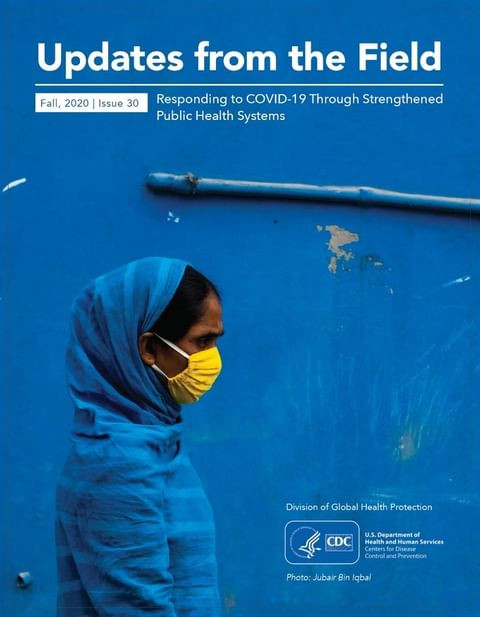
Working across documentary, humanitarian, and development contexts, Jubair Bin Iqbal understands the importance of creating photographs that are both visually compelling and ethically responsible. His approach combines storytelling, aesthetics, and communication, making his work valuable for NGOs, international organizations, development agencies, and humanitarian institutions.
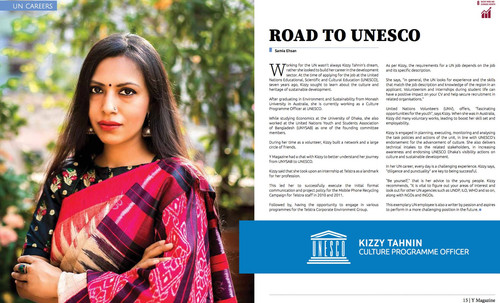
In the development sector, photography plays a crucial role in showing the real impact of projects and connecting organizations with wider audiences. Jubair’s work contributes to this process by creating meaningful visual narratives that can be used for reports, publications, campaigns, documentaries, advocacy, and public awareness.
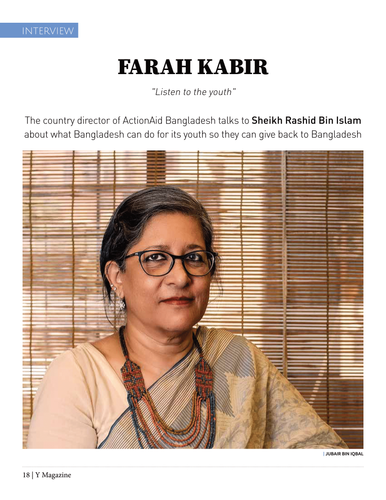
His experience in documenting humanitarian and social issues—including work connected with organizations and development initiatives such as OXFAM, WHO, UNICEF, BRAC, PKSF, and ESDO—demonstrates the growing importance of professional visual storytelling within Bangladesh’s development sector.
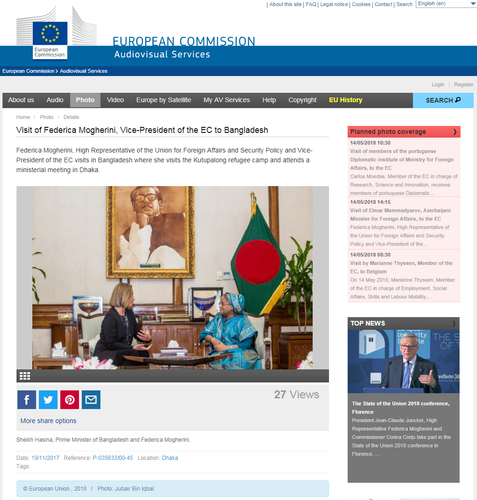
What makes Jubair Bin Iqbal particularly valuable is his belief that development photography should not only show beneficiaries or activities—it should preserve dignity and tell stories with depth. His work represents an approach to photography where aesthetics and responsibility exist together, helping development organizations communicate not only what they do, but more importantly, why their work matters and how it affects human lives.